
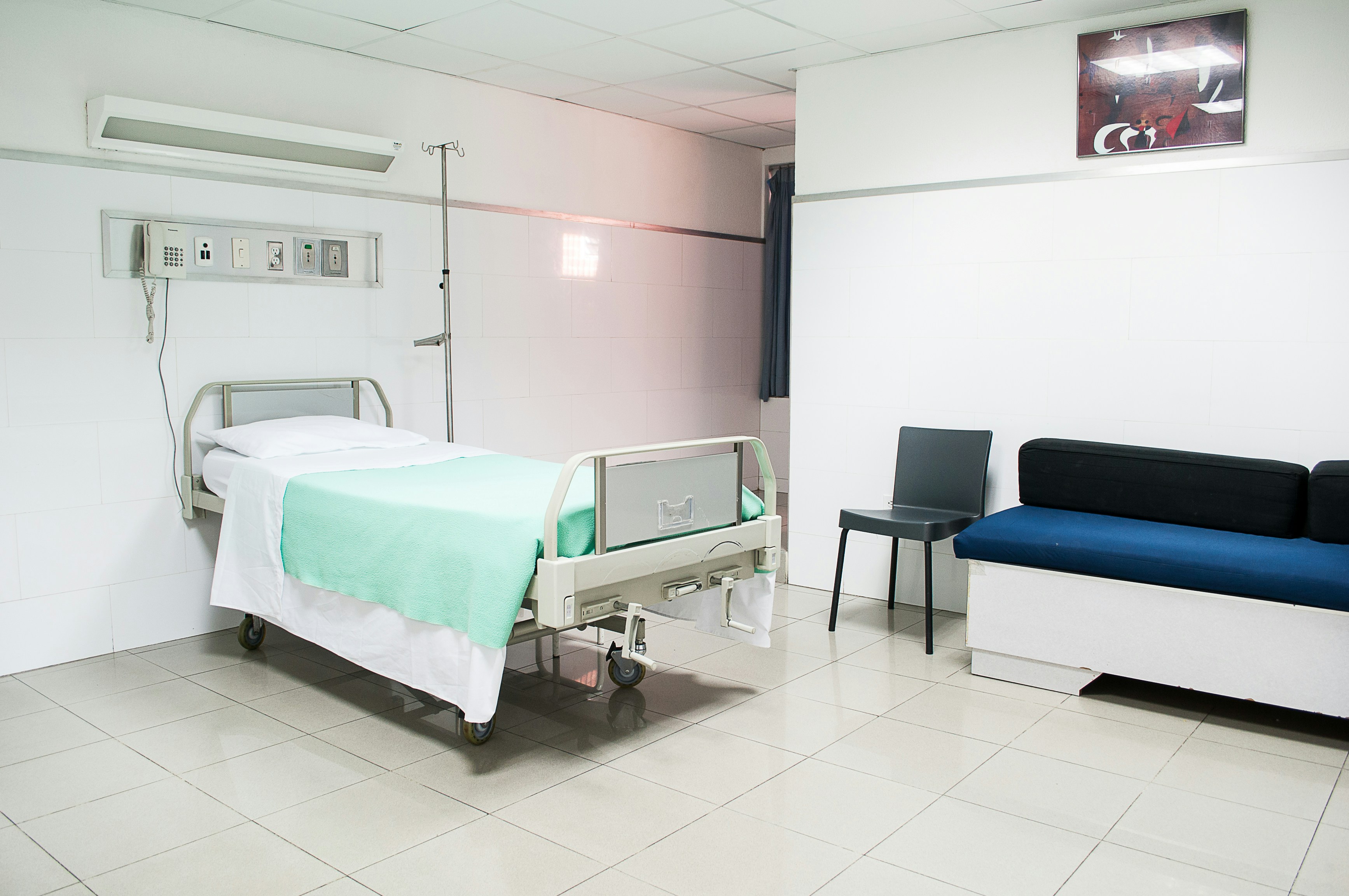
Setting up or upgrading a healthcare facility involves far more than buying diagnostic machines and surgical tools. Hospital furniture plays an equally important role in patient comfort, staff efficiency, and the overall functioning of a facility. Whether you're opening a new clinic or expanding an existing hospital ward, here's a practical checklist of the furniture that matters most.
1. Hospital Beds
The hospital bed is the centerpiece of any patient room. Depending on the type of care being provided, facilities typically need a mix of:
- Manual and electric hospital beds
- ICU beds with adjustable positioning
- Recovery and observation beds
Choosing the right bed type for each ward — general, ICU, maternity, or recovery — directly affects patient comfort and ease of care for nursing staff.
2. Examination Tables
Every consultation room needs a sturdy, adjustable examination table. Features like height adjustability, stirrup attachments (for gynecological use), and easy-to-clean upholstery make a real difference in daily use, especially in high-traffic clinics.
3. Patient Trolleys and Stretchers
Trolleys and stretchers are essential for moving patients safely between departments — from the emergency room to surgery, or from wards to diagnostic areas. Look for models with smooth-rolling wheels, secure locking mechanisms, and durable frames.
4. Bedside Lockers and Cabinets
Small but necessary, bedside lockers give patients a place to store personal items and give staff a place to keep supplies within reach. Durable, easy-to-sanitize materials are a must in a hospital environment.
5. Surgical and ICU Furniture
Operating rooms and ICUs need specialized furniture such as:
- Operation theatre tables
- Instrument trolleys
- ICU recliners and attendant chairs
- IV stands
These items need to meet higher hygiene and durability standards given their environment.
6. Waiting Area and Reception Furniture
Patient experience starts before they even see a doctor. Comfortable waiting area seating, a functional reception desk, and clear signage furniture all contribute to a facility that feels organized and welcoming.
Choosing Quality Over Just Price
Hospital furniture gets heavy daily use, often round the clock. Cheaper furniture may look similar on paper, but tends to wear out faster, break down under regular use, or fail to meet hygiene standards. Investing in durable, well-built furniture from the start reduces replacement costs and keeps facilities running smoothly.
Orient Medical supplies a complete range of hospital furniture — from beds and examination tables to ICU and surgical furniture — designed for the demands of Pakistani hospitals and clinics.
Recent Articles
Medical Equipment Maintenance Tips to Extend Its Lifespan
Medical equipment is a significant investment for any hospital or clinic, and how well it's maintained determines how long it lasts and how reliably it performs. Poorly maintained equipment doesn't just fail more often — it can compromise patient safety and lead to costly emergency repairs or replacements. Here are practical steps every facility can take to keep its equipment running smoothly for years.1. Follow a Regular Maintenance ScheduleMost medical equipment comes with a manufacturer-recommended maintenance schedule — daily checks, monthly servicing, or annual calibration. Sticking to this schedule, rather than waiting for something to go wrong, is the single most effective way to avoid unexpected breakdowns.2. Train Staff on Proper UseA large percentage of equipment damage comes down to improper handling rather than manufacturing defects. Make sure staff are properly trained on:Correct operating proceduresSafe handling and storageBasic troubleshooting before escalating to a technicianWell-trained staff extend the life of equipment simply by using it correctly.3. Keep Equipment Clean and SanitizedBeyond infection control, regular cleaning also protects the equipment itself. Dust, moisture, and residue can damage sensitive components over time, especially in devices with electronic parts or moving mechanisms. Follow manufacturer guidelines on approved cleaning agents — harsh chemicals can damage surfaces and seals.4. Monitor Consumables and Wearable PartsItems like batteries, cables, connectors, and filters wear out faster than the core equipment itself. Keeping track of these parts and replacing them proactively — rather than after failure — prevents avoidable downtime.5. Store Equipment ProperlyEquipment that isn't in constant use should be stored in a clean, dry, temperature-controlled environment. Exposure to humidity, extreme heat, or dust can shorten the lifespan of sensitive diagnostic and electronic equipment significantly.6. Use Authorized Service ProvidersRepairs and servicing should be handled by qualified technicians, ideally through the original supplier or an authorized service provider. Unauthorized repairs or third-party parts can void warranties and, in some cases, introduce safety risks.7. Keep Maintenance RecordsMaintaining a simple log of servicing dates, repairs, and part replacements helps identify patterns — such as equipment that consistently needs repairs — and makes it easier to plan budgets for replacements down the line.Why Maintenance Matters More Than EverWith rising equipment costs, getting the maximum usable life out of every machine and furniture item is a practical necessity, not just good practice. A proactive maintenance approach protects your investment and, more importantly, keeps patient care uninterrupted.Orient Medical supports facilities with genuine parts, warranty coverage, and guidance on maintaining the equipment and furniture supplied — helping hospitals and clinics get the most out of every purchase.
Jul 18, 2026How to Choose the Right Medical Equipment Supplier in Pakistan
Choosing a medical equipment supplier is not a decision hospitals, clinics, or diagnostic centers can afford to get wrong. The right partner affects patient safety, day-to-day operations, and long-term costs. With so many suppliers now active in Pakistan's healthcare market, it helps to know what actually separates a reliable one from the rest.Here's what to look for before you place your next order.1. Product Range and QualityA good supplier should offer a wide range of medical equipment and hospital furniture — from surgical instruments and diagnostic devices to hospital beds, examination tables, and ICU furniture. More importantly, the products should meet recognized quality and safety standards. Ask for certifications, product specifications, and material details before committing to an order.2. Genuine Products, Not Just Low PricesThe cheapest quote isn't always the best deal. Substandard equipment can lead to frequent breakdowns, safety risks, and higher costs down the line. A trustworthy supplier will be transparent about where products are sourced or manufactured, and will stand behind the quality of what they sell.3. After-Sales SupportMedical equipment isn't a one-time purchase — it needs maintenance, spare parts, and occasional repairs. Before ordering, ask about:Installation and setup supportAvailability of spare parts and consumablesWarranty coverage and what it excludesResponse time for service requestsSuppliers who disappear after delivery end up costing you more in downtime and replacement costs.4. Clear Terms on Delivery and PaymentDelivery timelines for medical equipment can vary depending on availability, customization, and logistics. A reliable supplier will be upfront about expected delivery windows, payment terms, and what happens in case of unexpected delays — rather than leaving you to guess.5. Experience Across Healthcare FacilitiesSuppliers who have worked with hospitals, clinics, and diagnostic labs of different sizes tend to understand real-world requirements better — from bulk furniture orders for new hospital wings to single-unit diagnostic equipment for smaller clinics. Ask about past projects or facilities they've supplied to.6. Local Presence and AccessibilityWorking with a supplier based in Pakistan makes communication, servicing, and logistics considerably easier compared to relying solely on international vendors. A local team can respond faster to queries, coordinate installation, and handle after-sales support without long shipping delays.Why It MattersHospital furniture and medical equipment are long-term investments. A wrong choice doesn't just mean a bad purchase — it can disrupt patient care and add unplanned costs to your facility's budget. Taking the time to evaluate a supplier on quality, support, and reliability pays off well beyond the initial transaction.Orient Medical supplies a wide range of medical equipment and hospital furniture across Pakistan, backed by clear delivery terms, warranty support, and a team that understands the needs of hospitals and clinics of every size.
Jul 18, 2026